This project in Kaliningrad, includes shared territory of two lagoons, Vistula with Poland and Curonian with Lithuania. These are pristine habitats for eels with unrestricted migratory pathway to the Baltic Sea. The eel population in these two lagoons has declined. There has been some limited stocking by Poland and virtually nothing from Lithuania. The objective, as set out in the Russian Eel Management Plans, is to achieve silver eel escapement similar to the 40% of the EU escapement target as set out in the EU eel regulation 1100/2007. The management plans define how this escapement will be monitored and safeguarded. For the Vistula and Curonian lagoons there is a moratorium on the commercial harvesting of eels.

As recruitment is low the defined outcomes can only be achieved through stocking. The stock is being supplied from the Severn as this system has a surplus of glass eels over and above needed to meet its carrying capacity requirement.
The project is co- funded by regional public funding and by a regulatory process that demands industrial producers that are or have been damaging the aquatic ecosystem of the lagoons to fund a wide-ranging environmental recovery program.
The Russian authorities have developed a forward-looking environmental project that will assist the recovery of European eel not just in these lagoons but all across Europe. As we all know the eel is a panmictic species and when the eels from Kaliningrad reproduce the glass eels will be distributed by the Atlantic Ocean currents all across North Africa, the Mediterranean, Portugal, Spain, France, UK, Baltic states and beyond. We will all benefit.


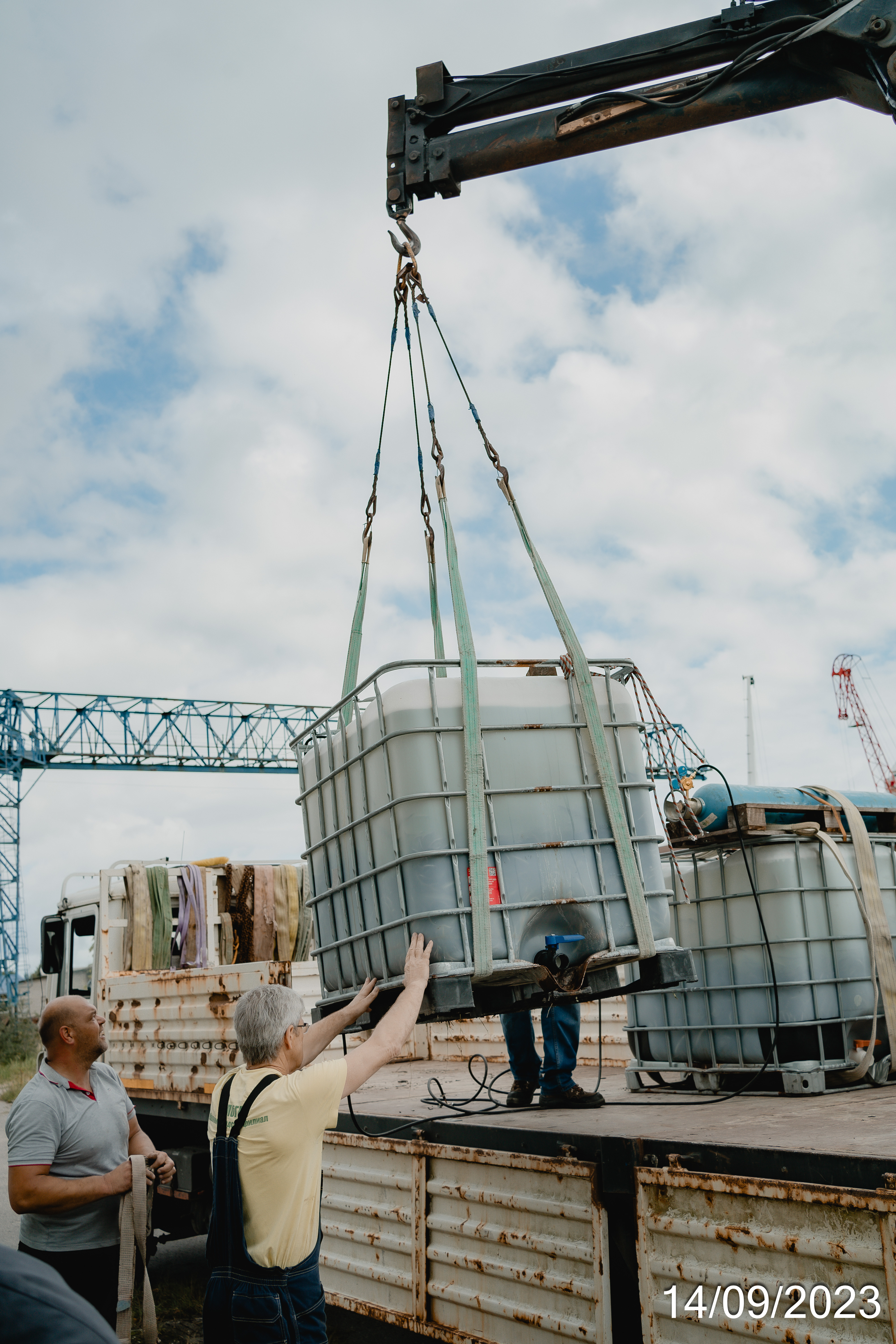
When complete this project will be the largest single recovery plan for the eel anywhere in Europe. This is a conservation opportunity that should not be dismissed but should be supported internationally.
The project has been running for three years.
Delivery

The glass eels are caught on the River Severn where the wetland eel habitat of the Severn has been destroyed by modern agriculture, industry, housing estates and pollution. What little remains is inaccessible to the eels because of the canalisation of the River Severn with locks and weirs for commercial and leisure, flood defences and other man-made barriers to migration.
The consequence is that the majority of the eels that swim into the Severn estuary perish when stopped by these barriers.
The stock is being supplied from the Severn as this system has a surplus of glass eels over and above what is required to meet its now depleted carrying capacity. This is set out in the Joint Nature Conservation Committee (JNCC) report No 745.
Quarantine
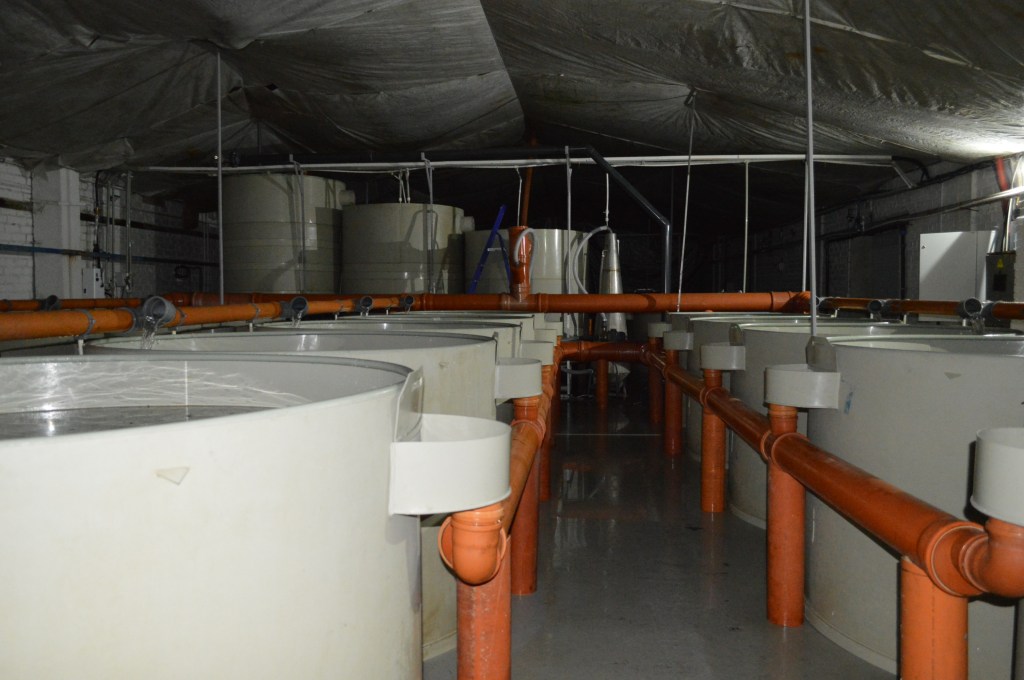
After they arrive the glass eels are kept in a quarantine station using a policy adopted from the Swedish best practice. It is kept as short as possible to aviod altering the sex ratios and the full gene pool is used. All juvenilles are marked to enable the efficacy of stocking to be measured against natural stocking.
Stocking
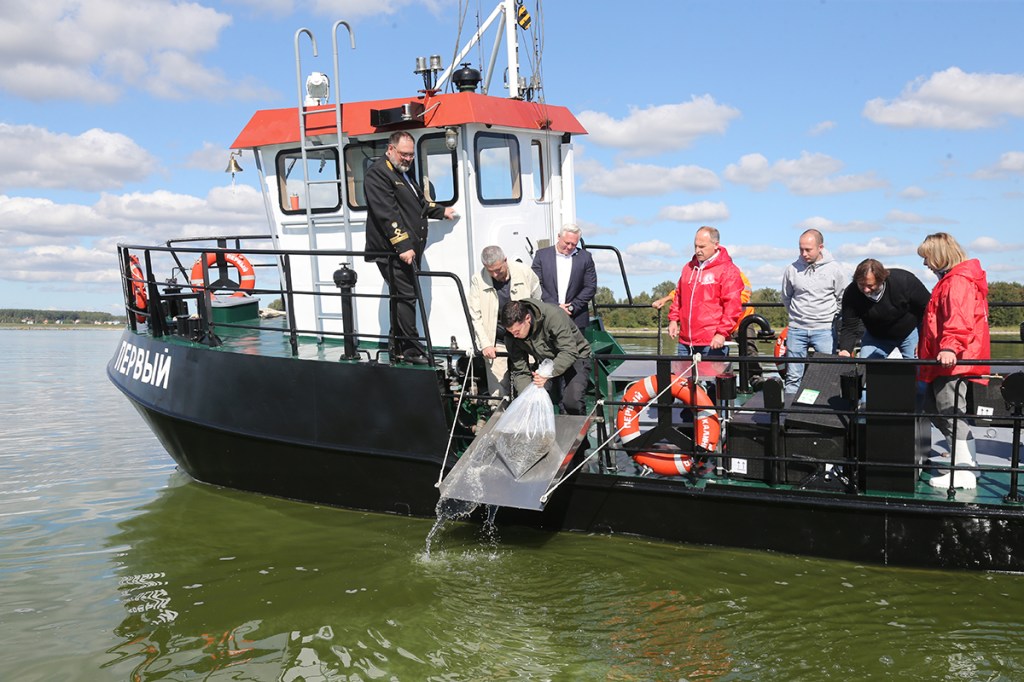
Stocking takes place during the summer months and is documented in numerous reports from Kaliningrad and their YouTube channel.
 UK Glass Eels